

SSD vs HDD: Which is best and how are they different?
SSD vs HDD: Which is best and how are they different?
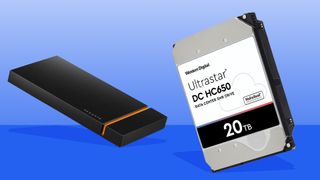
The SSD vs HDD debate is a crucial one to consider. Storage drives like SSDs (solid land drives) and HDDs (hard disk drives) are apparently an essential part of any PC or laptop. Just despite major differences between the ii, the matter of whether SSDs or HDDs are ameliorate doesn't always cross the average consumer's mind.
To an extent this changed recently, equally the PS5 and Xbox Serial Ten both made their corresponding SSDs a primal selling point. But greater sensation most the strengths and weakness of these bulldoze types is good for anybody: making the right choice for your adjacent hardware upgrade will aid go your PC, laptop or games panel running exactly as you lot want it to. For more than on how SSDs and HDDs compare on speed, price, storage infinite and reliability, read on for our full guide.
- Our pick of the best external hard drives
- The best gaming PCs with fast storage
- Time to upgrade? These are the best laptops right now
SSD vs HDD: Pattern differences
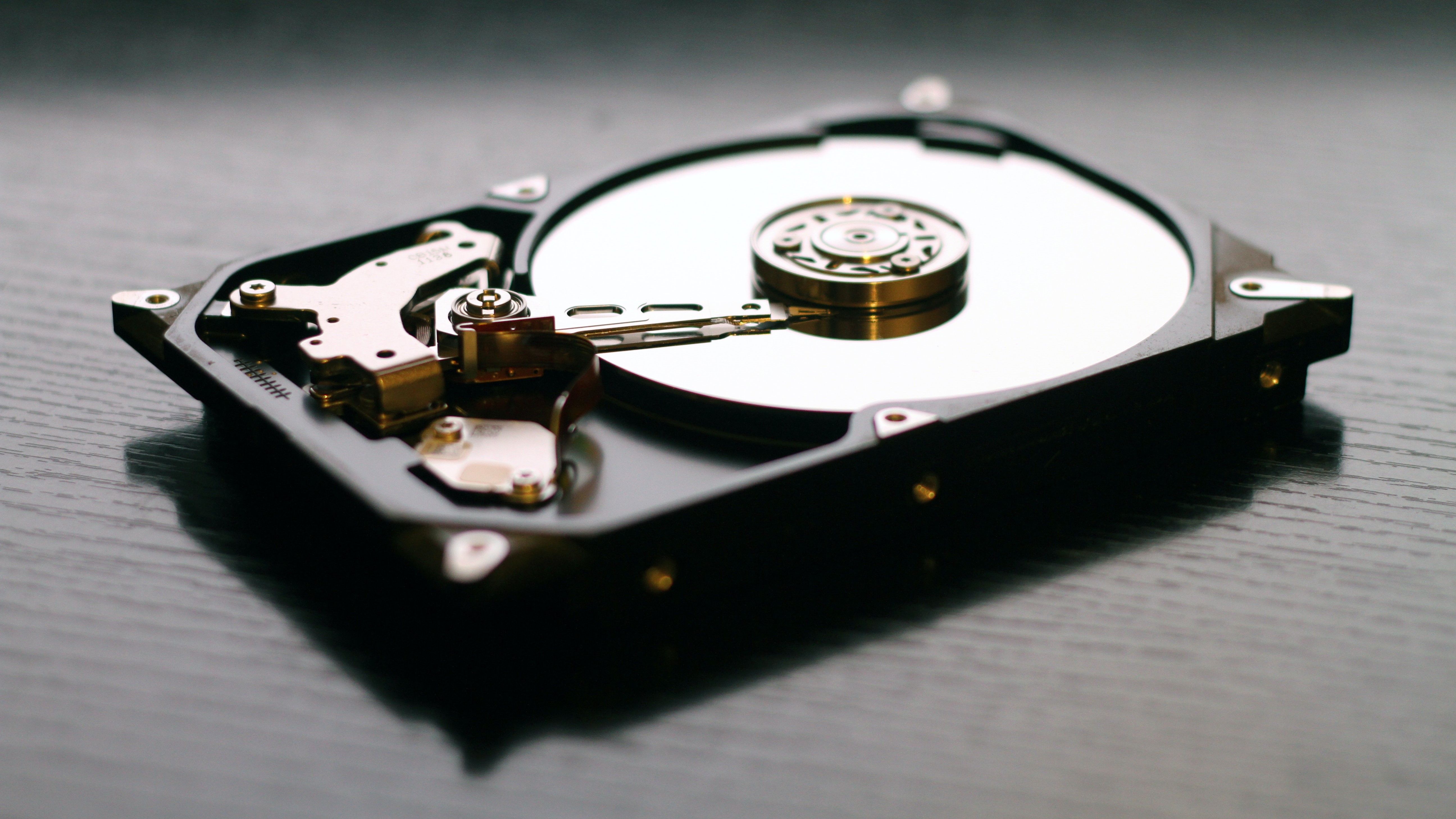
HDDs store data on a number of magnetic platters that spin around when in operation. A read/write head, near like a turntable needle, reads or writes data to and from these platters. It's a tried-and-tested blueprint that's relatively cheap to produce, though one that only operates equally fast as its mechanical parts.
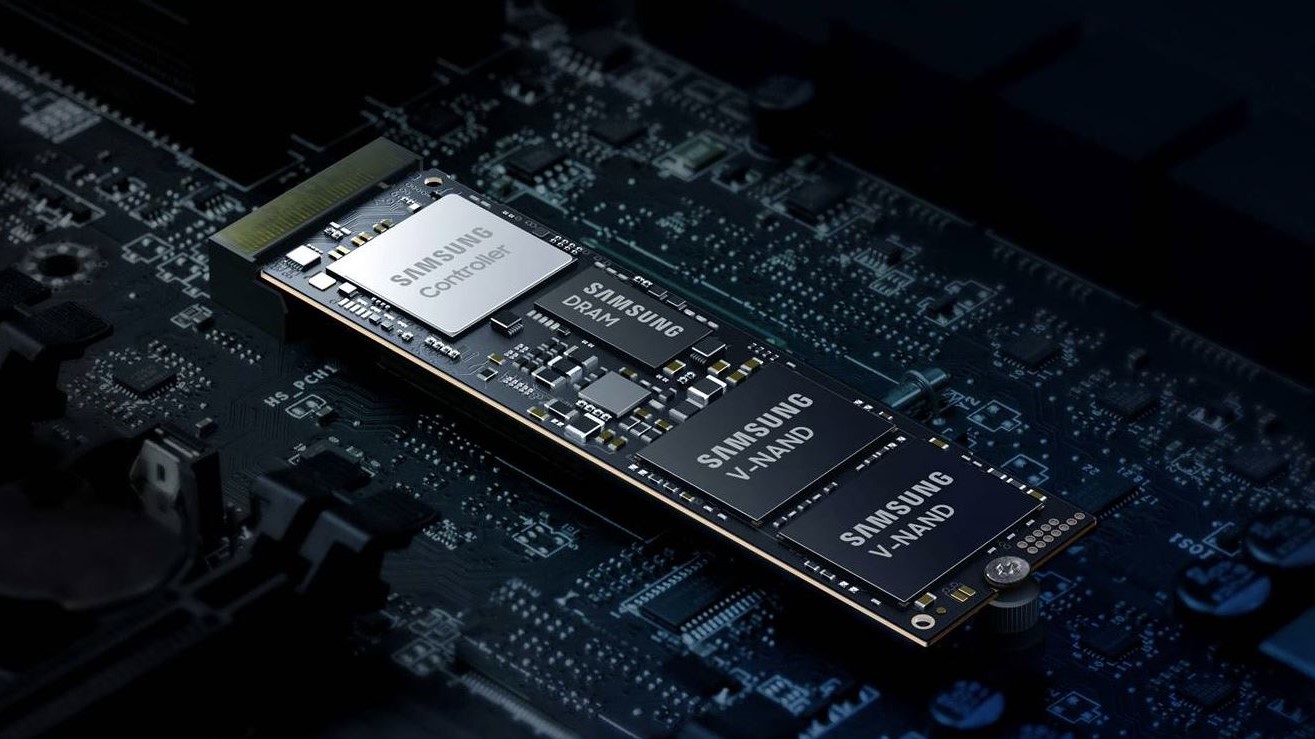
SSDs, as the "solid state" part of the name gives away, contain no moving parts any. They store information on tiny stacks of Wink retentiveness cells, similarly to a USB drive — albeit with much faster, higher-quality memory.
Considering SSDs don't need to make room for all those platters and an actuator arm to agree the read/write caput, they can be physically smaller than HDDs of the same capacity. A lot smaller, in fact. Most HDDs on the market use the iii.5 inch course cistron, with some shrunk downwards to a compact 2.5 inch form gene. This might be small enough for certain laptops too as PCs, but ultraportables volition normally need an M.2 SSD. These are only almost the size of a stick of gum.
Most mod PC motherboards include both M.2 slots and SATA ports, to which you can connect three.5 inch or ii.5 inch HDDs. SSDs are also unremarkably available in the ii.5 inch form factor.
SSD vs HDD speed: Which is faster?
In curt, SSDs. And it's not fifty-fifty close: The absolute fastest HDDs can supposedly hit 480 MBps read speeds, but these are expensive enterprise drives, and most consumer-form models are likely to top out at around 160 MBps.
By contrast, there are enough of entry-level SSDs that will break 500 MBps in both read and write speed, and even these are embarrassed by the fastest models. The Samsung 980 Pro, for instance, is rated at seven,000 MBps for reads and 5,000 MBps for writes.
It's important to note that speeds are heavily reliant on the interface that the drive uses to connect to your organization. The SATA interface, used by HDDs and cheaper SSDs, is the slowest. The PCIe 3.0 requires pricier NVMe (Non-Volatile Memory) SSDs, only tin can become a lot faster, upward to around 3,500 MBps. The most recent (and expensive) interface to consider is PCIe 4.0, which unlocks the kinds of speeds y'all'd meet from the Samsung 980 Pro.
Drastically faster read/write times won't be noticeable if y'all're just typing a Word certificate or watching a YouTube video, simply an SSD volition well-nigh always be faster at booting your arrangement and loading the software and then you can perform these tasks in the first identify.
SSDs can also reduce loadings times in games, on both PC and consoles, and speed up the time information technology takes to transfer files. When information technology comes to speed alone, the SSD vs HDD contend is pretty simple — an SSD is better.
SSD vs HDD price: Which is cheaper?
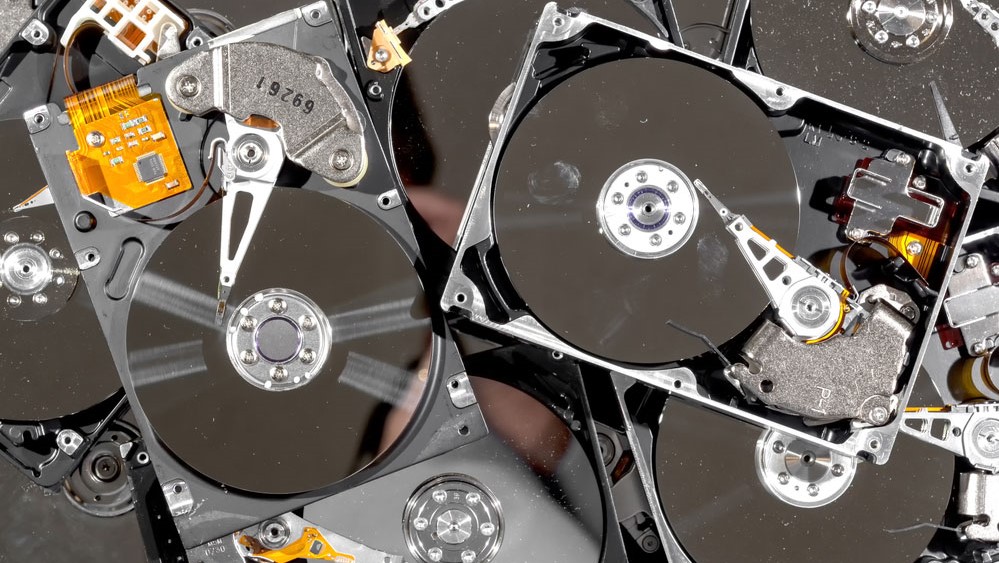
Then far, the SSD vs HDD question might not seem similar a tough one to answer: SSDs are dramatically faster and available in a wider range of grade factors. But there's one very proficient reason to give mechanical drives another chance: price.
Yes, SSDs are quicker, but they're too more expensive. Hop on Amazon and you can find multiple 1TB HDDs for less than $50; for a relatively bones, SATA-based SSD with the same chapters, you're looking at between $90 and $130. That 980 Pro? $229 for the 1TB model.
Naturally, pricing will vary by private model, and non just the blazon of storage bulldoze. This means you can get relatively affordable SSDs, especially if you're willing to settle for the more middling speeds of a 2.5 inch, SATA-based bulldoze. And even if yous'd prefer a more than compact One thousand.2 SSD, you can nonetheless find compatible drives that use the cheaper SATA interface instead of NVMe.
Even so, the absolute cheapest SSDs only won't be as affordable as near mechanical HDDs. Keep this in mind if you're planning a PC with multiple storage drives, as the added cost of ownership two, three or four SSDs will quickly add up.
SSD vs HDD capacity: Which offers more storage?
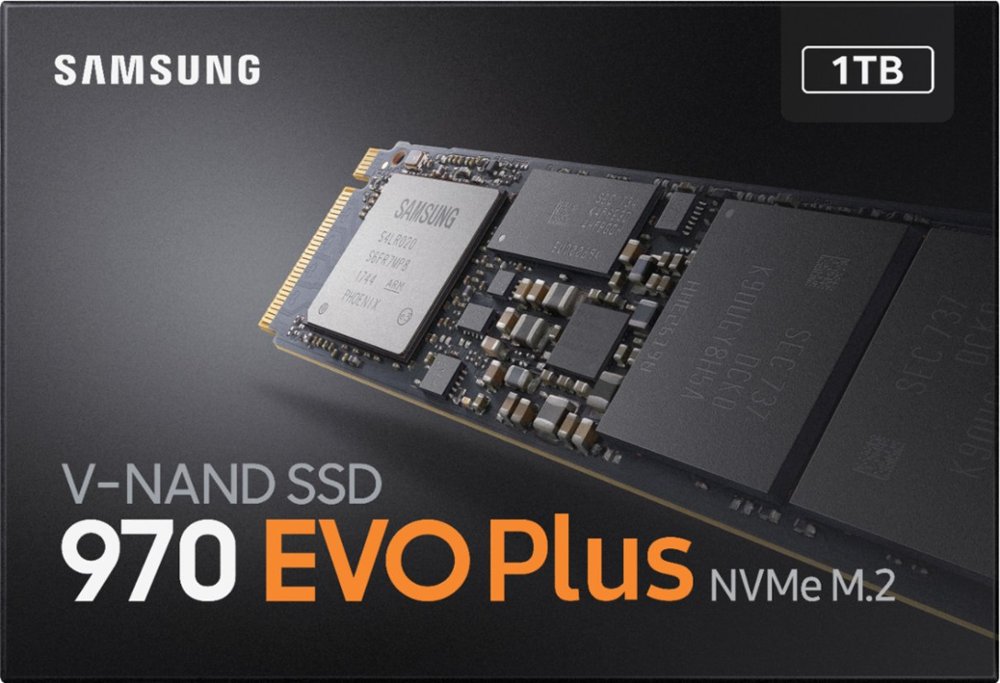
HDDs also take an reward on capacity. It's much cheaper and easier to fit a hard drive with high-capacity platters than information technology is to fit an SSD with a comparable amount of retentiveness; so, if yous demand 4TB or 8TB per drive, your solid-state options are extremely limited. That'southward in direct contrast to HDDs, where such high-capacity drives are common. You lot can fifty-fifty get 16TB HDDs, though they're pretty expensive.
Still, not as expensive as a big SSD. Samsung'due south 8TB 870 QVO SSD is $842, $700 more than an 8TB Seagate Barracuda HDD.
Fortunately for SSDs, there's a lot more pick at the smaller stop of the scale. There are enough of 128GB, 256GB, 512GB and 1TB SSDs to choose from, as well equally a healthy range of 2TB drives. For light PC usage, you may merely need 512GB or fifty-fifty just 256GB — but more is normally better when it comes to storage, especially when information technology comes to saving large files such every bit videos, photos and games.
With SSDs, then, you should try to buy every bit much capacity as you tin can afford. Because HDDs are cheaper, you lot can often get acceptable storage space while leaving upkeep to spend on other parts of your PC.
SSD vs HDD: Hybrid drives
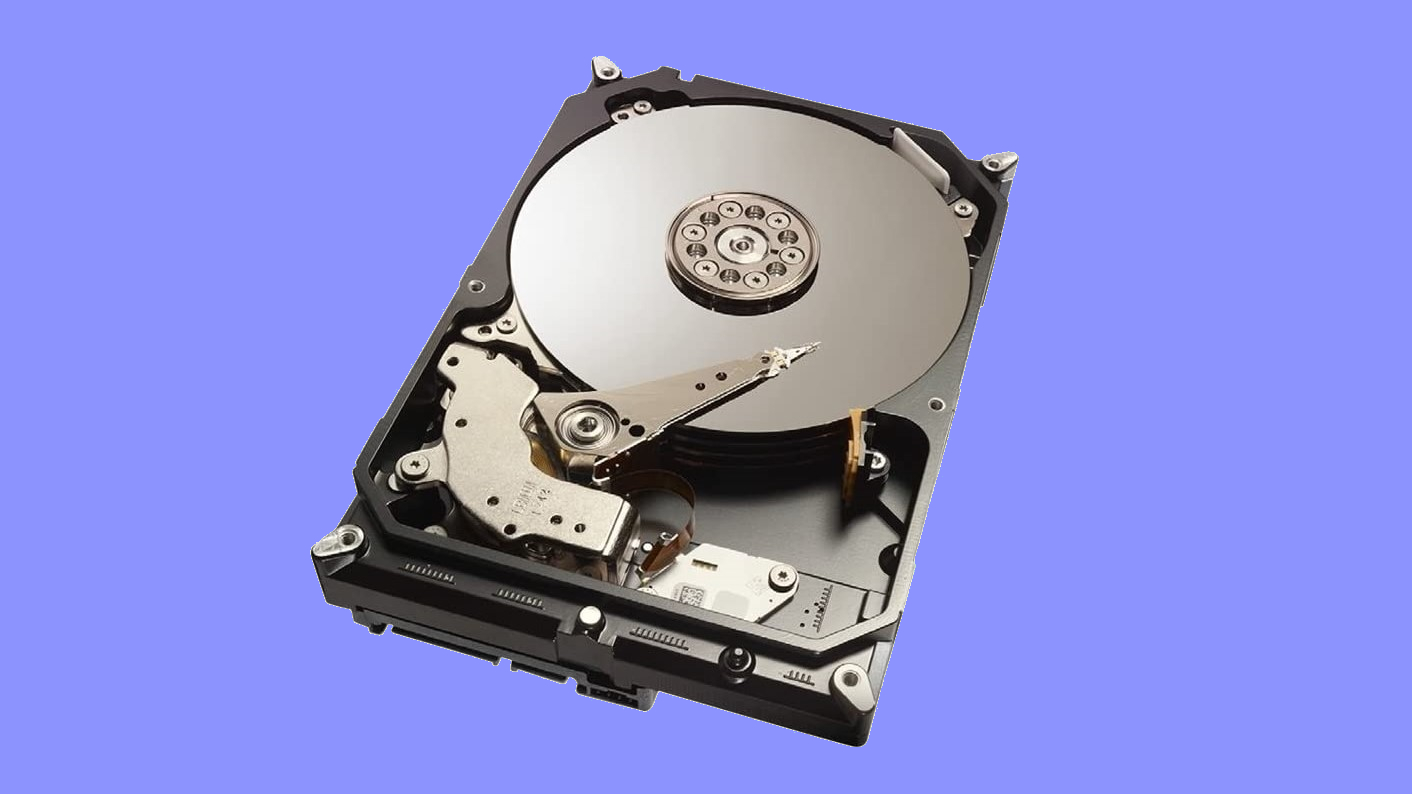
There is a third selection in the SSD vs HDD debate, and it would appear to combine the best of both worlds: a hybrid drive, or SSHD (solid state hybrid drive). This is essential a mechanical HDD with an added SSD enshroud.
Hybrid drives piece of work by learning which files and applications you lot access the most, and moving them from the mechanical storage to the miniature SSD. This gives you improved performance from your most-used apps, combined with the huge chapters of a HDD. SSHDs are more expensive than purely mechanical drives, merely too cheaper than pure SSDs of like capacity.
Sound like an ideal compromise? Non quite. If information technology wasn't obvious, whatever files and applications not saved on the SSD cache will still be limited to HDD speeds — the cache doesn't provide a arrangement-wide boost. What'southward more, the cache itself is ordinarily quite pocket-size: a typical 1TB SSHD might only offer 8GB of solid state chapters. So you lot'll merely go the speed boost in a few select files; your Os installation, or most AAA games, won't fit.
You'll also need to wait until the SSHD learns which files and applications to motility to the SSD cache before they're sped up. Conventional SSDs may be more expensive, but their speed benefits are applied to every single byte of data you have.
So there'due south the form factor considerations. Because SSHDs use spinning platters, they won't be any smaller than normal HDDs — so if yous're hoping to upgrade a thin laptop or mini-PC, yous might just exist able to use SSDs anyway.
Ultimately, hybrid drives are neither fast plenty to exist an ideal master bulldoze, nor cheap enough to outflank traditional HDDs as bulk backup storage. They might be the right fit for you if you lot absolutely can't stretch to the price of an SSD, but everyone else should focus on either SSDs or HDDs.
SSD vs HDD: Intel Optane Retentivity
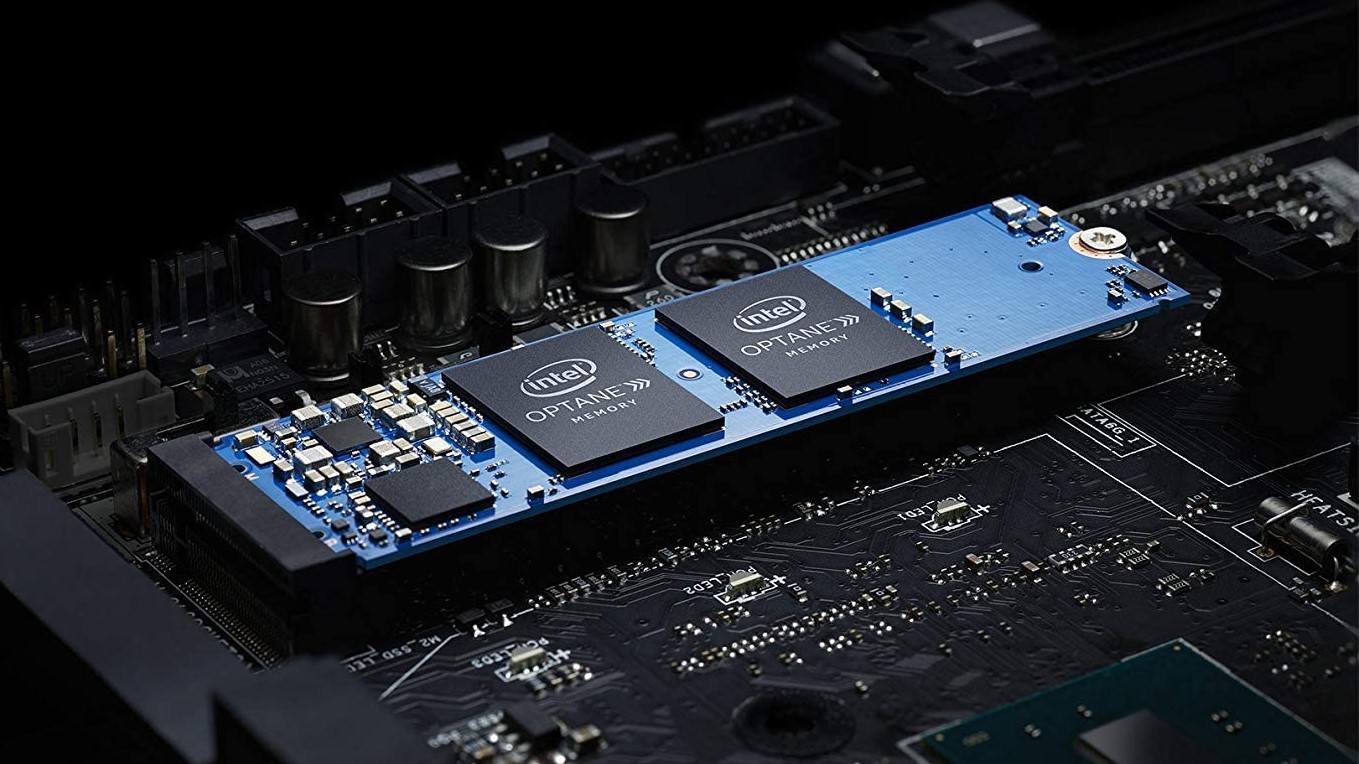
All that said, there is some other approach to the enshroud concept you may wish to consider — albeit only in very specific circumstances. That's Intel Optane Memory, a kind of DIY cache kit designed to boost the speed of your existing HDD.
Optane Memory drives (not to be dislocated with Intel'southward Optane SSDs) plug into an empty Thousand.2 slot in your system, upon which information technology acts as a solid-state cache for your HDD. That means similar operation to an SSHD bulldoze: your favored files and apps are moved to the Optane Memory drive, giving them a speed boost.
Why is Optane Memory worth bothering with when standalone SSHD drives are an underwhelming prospect? To tell the truth, for a lot of people it won't exist: if yous're building a PC or upgrading a laptop, that M.two slot is better filled by an SSD. Optane Memory can also simply heave read speeds, not write speeds — every bit the latter remains express by the HDD'due south physical mechanisms.
However, for those who specifically want to upgrade a arrangement with a unmarried HDD, using Optane Memory tin make for a much easier tweak. Y'all'll still exist improving operation, and because you're not actually replacing the HDD — merely giving it a solid-country nudge — you don't have to worry about moving your OS install over to a different bulldoze.
Optane Retention drives also offering larger enshroud capacities than y'all usually get from SSHDs, and can be extremely cost-efficient. The smallest 16GB model, for example, is only $23.
SSD vs HDD: Reliability
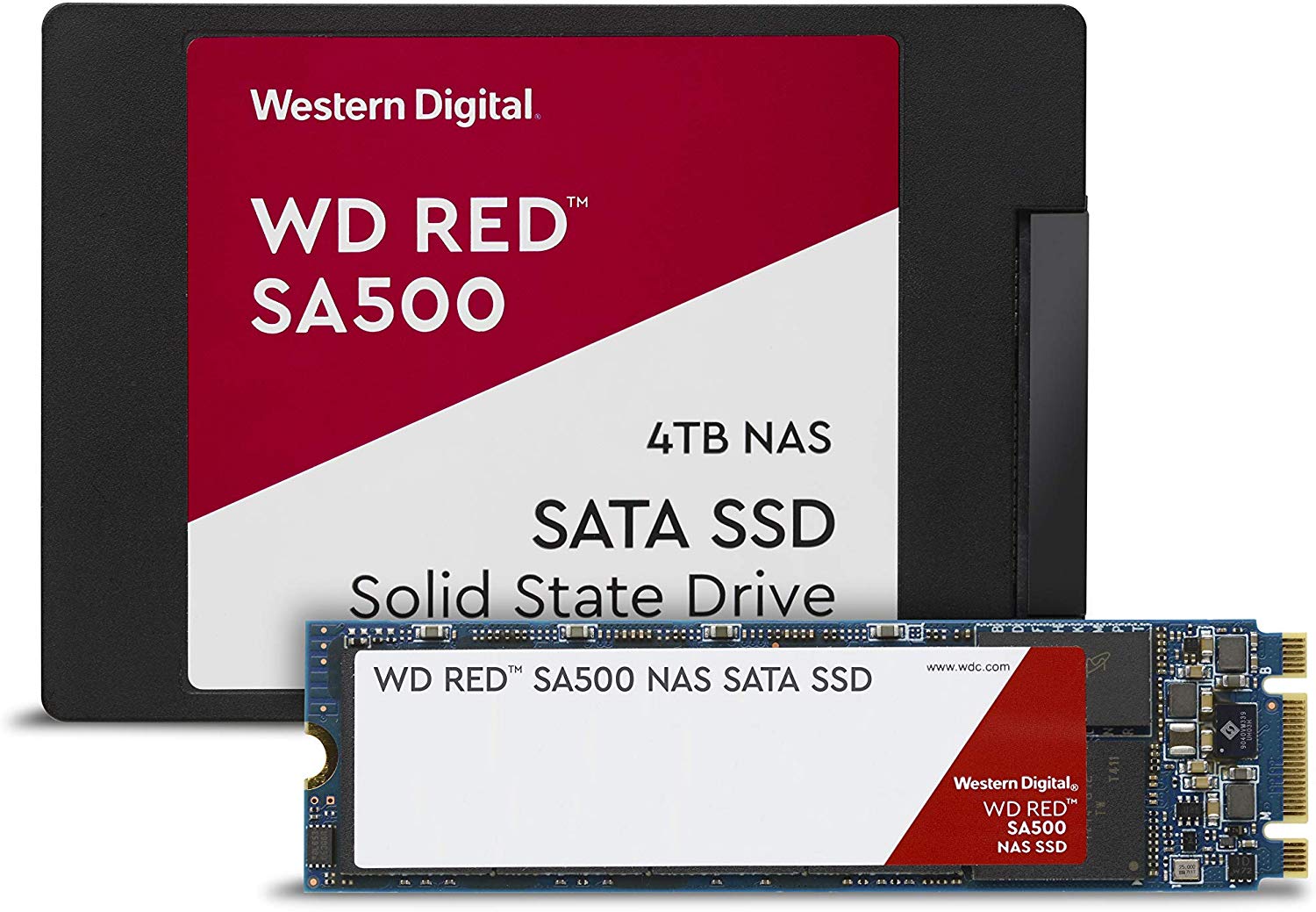
SSDs are more than rugged and reliable than HDDs, cheers again to their lack of moving parts. Should you drop your HDD-equipped laptop, it could harm private platters or the read head, which tin make the whole drive fail — ruining all your saved information in the process. SSDs are much more shock-resistant.
Many storage drives, of both types, provide a Terabytes Written (TBW) effigy to give an guess of how much y'all tin apply the drive before information technology starts to fail from wearable and tear. A drive rated at 600TBW, for example, should survive 600TB worth of writes before it fails.
However, on mod drives these numbers are then loftier that well-nigh users will never even come up close to reaching them. They might be worth noting if you're building a workstation for something like professional graphic design or video editing, only otherwise, don't worry virtually TBW specs too much.
SSD vs HDD: External drives
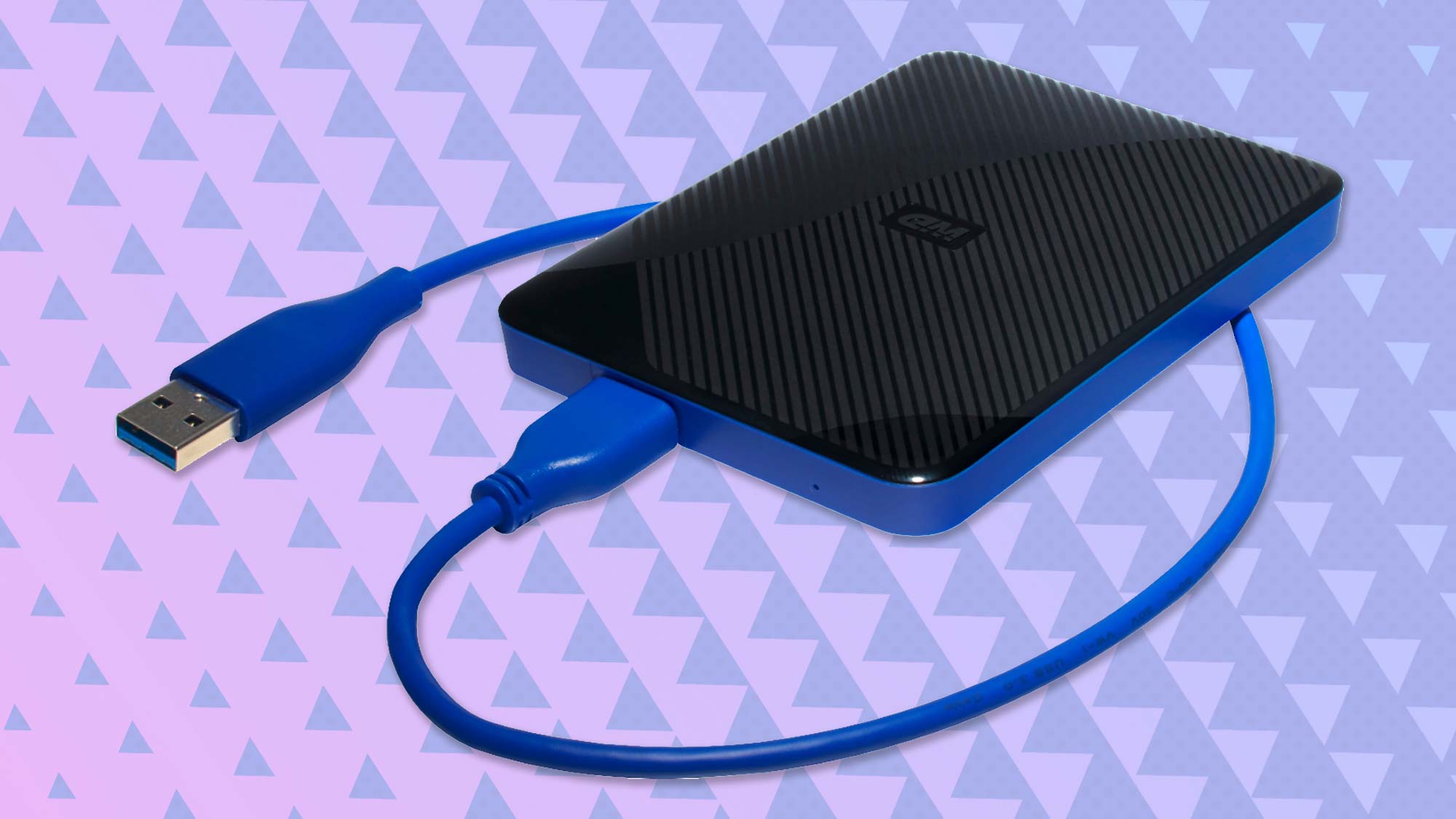
Most of the traits and differences betwixt internal SSDs and HDDs too use to external drives. So if you're concerned with maximising chapters, yous'll have more than choice and tin spend much less on a portable HDD. Check out our list of the best external difficult drives for the finest nosotros've tested, or if you lot're looking to add together more than storage space to your console, we have a guide to the all-time external difficult drives for PS4 and Xbox One.
Likewise, external SSDs volition exist pricier but a lot faster. The matter of speed is compounded here by different USB standards: a SSD that connects over USB 3.one will probably outpace an SSD that connects over USB 3.0. Nonetheless, even a relatively sluggish SSD will exist faster than an external HDD.
The inherent daze-proofing of SSDs likewise gives externals models a natural advantage over external HDDs, equally unlike PC storage these are prone to getting tossed into bags or knocked off tables. If you take small backup needs, then, or just demand to occasionally move a small number of files or apps, the smaller capacity of external SSDs is worth living with.
On the flip side, a common use for external drives is to back up an entire PC or laptop, or to keep concur of potentially thousands of large video and photo files.
In either case, an external HDD is arguably better: information technology'll be much more than cost-constructive for larger capacities, and depending on how oftentimes you salvage new backups, you might only need to suffer its slower speeds every so ofttimes. Just be careful you don't drop it.
SSD vs HDD: Which should yous buy?
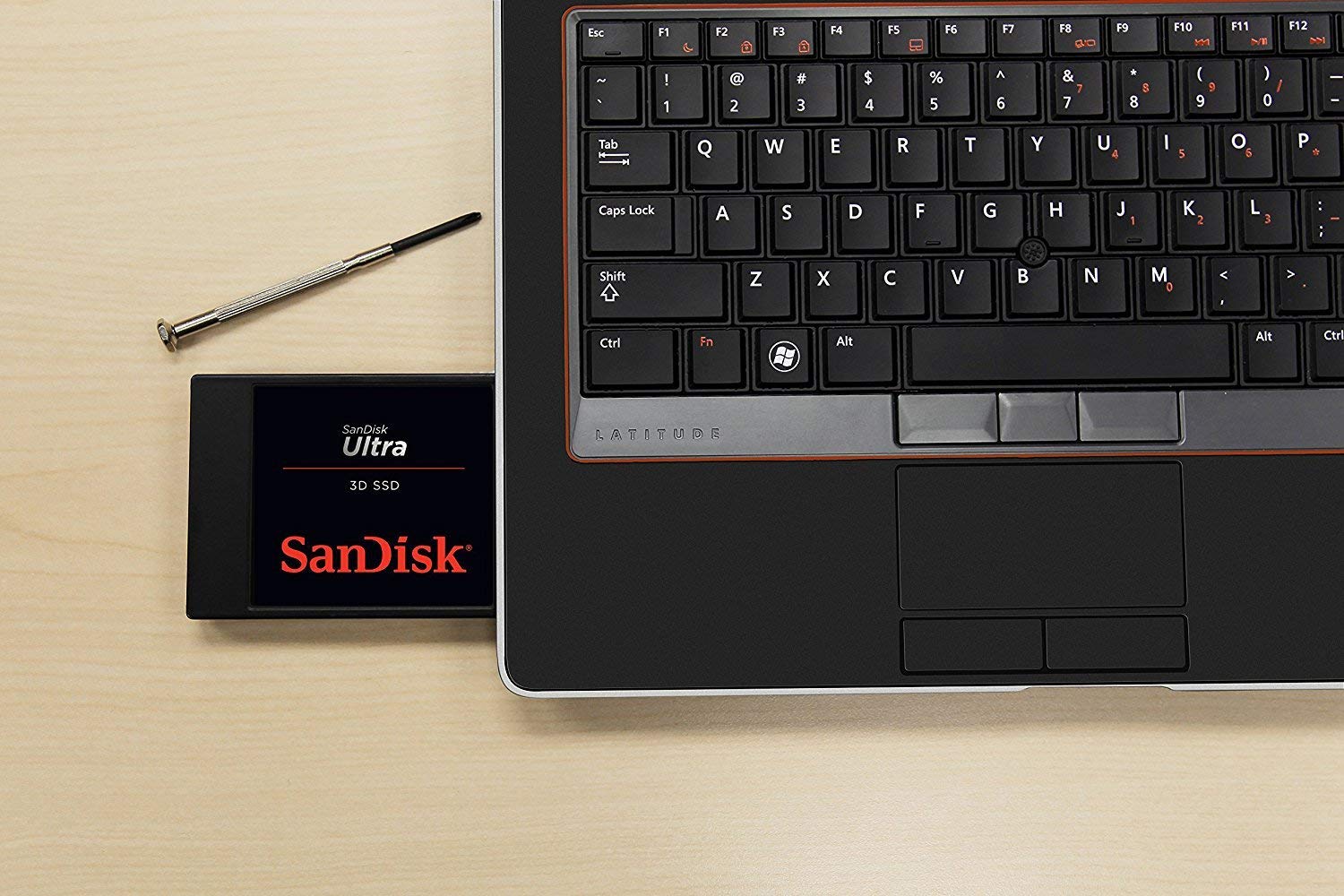
Start of all, bank check whether the exact type of storage drive you need isn't adamant by factors outside your control. In other words, if you desire to upgrade your laptop and information technology but takes Yard.2 SSDs, it doesn't matter which is better: yous're going to need an M.2 SSD.
If you do accept the liberty to choose, you're substantially balancing price, capacity and performance when looking at SSD vs HDD. When you lot only need or have room for a single drive, we'd recommend an SSD — yes, these are more expensive and harder to find in large capacities, but the speed advantage is only too good to refuse unless you're really stretching your budget. As well, if you're looking to upgrade, yous're probably coming from an existing HDD, in which case a slightly faster HDD wouldn't be much of an upgrade at all.
If, on the other paw, you tin fit your system with multiple drives, yous can get the best of both worlds by using a smaller SSD every bit your main drive and a much more spacious, yet affordable, HDD as a backup drive. This will let yous get the speed boost in your chosen OS, equally well equally a few selection applications, while the HDD can handle miscellaneous file storage where faster speeds aren't as critical.
It would as well be more cost-effective to upgrade this kind of storage setup in the futurity. You could, for example, cheaply buy an identical HDD to your backup drive and set them upwardly in a RAID one assortment for easy backups.
- More: Cloud storage vs external difficult deejay bulldoze — which is best?

Source: https://www.tomsguide.com/reference/ssd-vs-hdd-which-is-best-and-how-are-they-different
Posted by: elamquares.blogspot.com
0 Response to "SSD vs HDD: Which is best and how are they different?"
Post a Comment